Introducing…
101 Signs for Babies
Why Should You Use Sign Language with Babies?
Most babies say their first words around one year of age, and their vocabulary often stays quite small until they approach three years old. During this time, it can feel frustrating for both parents and babies as they try to understand each other while language skills are still growing.
Baby sign language offers parents and little ones a wonderful way to start communicating much earlier. Research shows that many babies can use simple signs as early as six months old—and those who sign consistently often build an impressive vocabulary by their first birthday. It’s a beautiful way to ease frustration and strengthen connection while spoken language is still developing.
What Are The Benefits of Baby Sign Language?
One of the biggest benefits of baby sign language is simple but powerful: it gives your little one a way to communicate their needs and thoughts. Instead of guessing what’s wrong, your baby can tell you they’re hungry, tired, or need help.
Signing gives you a window into your child’s mind and personality.
Signing can also dramatically reduce frustration—for both of you. Rather than grunting, whining, or melting down when they can’t find the words, babies can use a sign to clearly express what they want. That sense of being understood is huge.
It also creates beautiful opportunities for connection. I often hear parents say, “There’s not much you can do with a baby!” But once you start signing, a whole new world opens up. You can play interactive games, teach new concepts, and truly engage with your baby in meaningful ways.
And here’s something many parents are surprised to learn: signing won’t delay verbal language development; it actually supports spoken language development. Babies who sign often begin talking sooner and tend to have larger vocabularies. Early exposure to more than one language—including sign language—can strengthen overall language skills.
Signing reinforces verbal language by adding kinesthetic emphasis to auditory output.
Signing even helps nurture a love of books. When you add signs to story time, the experience becomes interactive and engaging. Instead of just listening, your baby can participate. For toddlers who struggle to sit still for a story, signing brings the pages to life and makes reading together more active and fun.
Signing builds on a baby’s natural tendency to use gestures.
What You Get
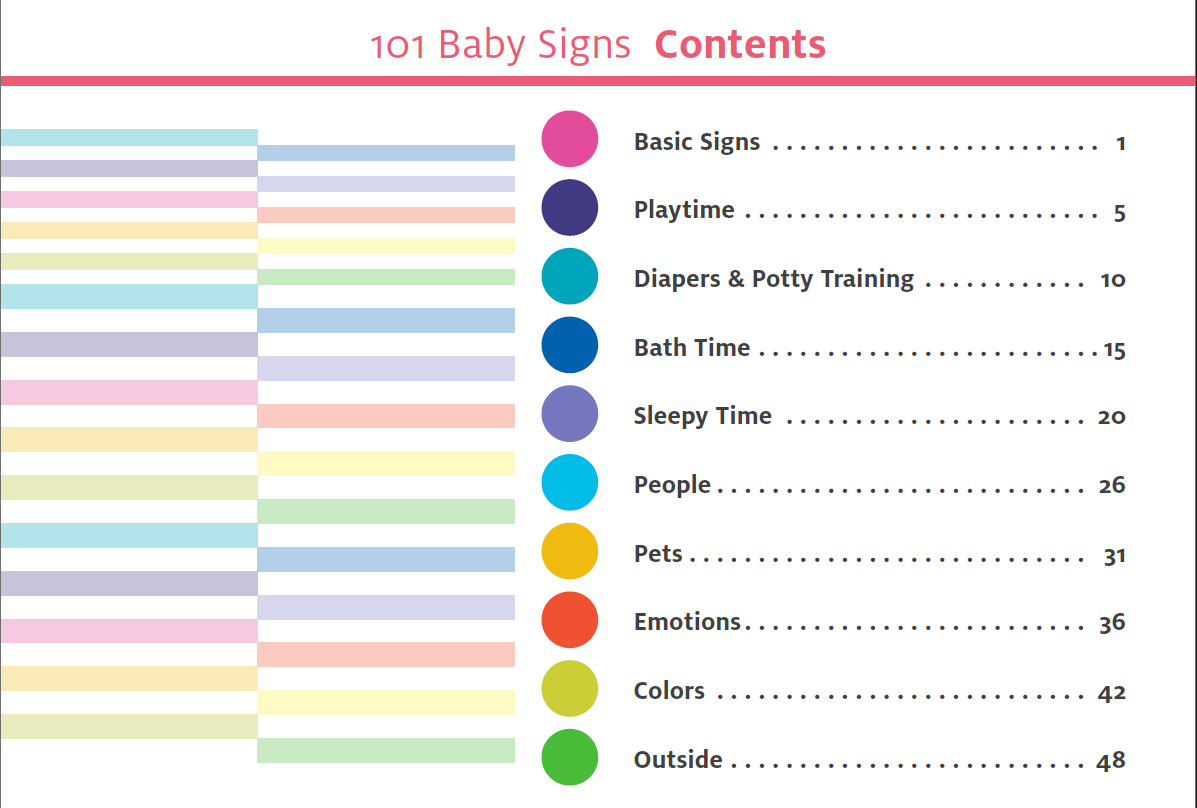
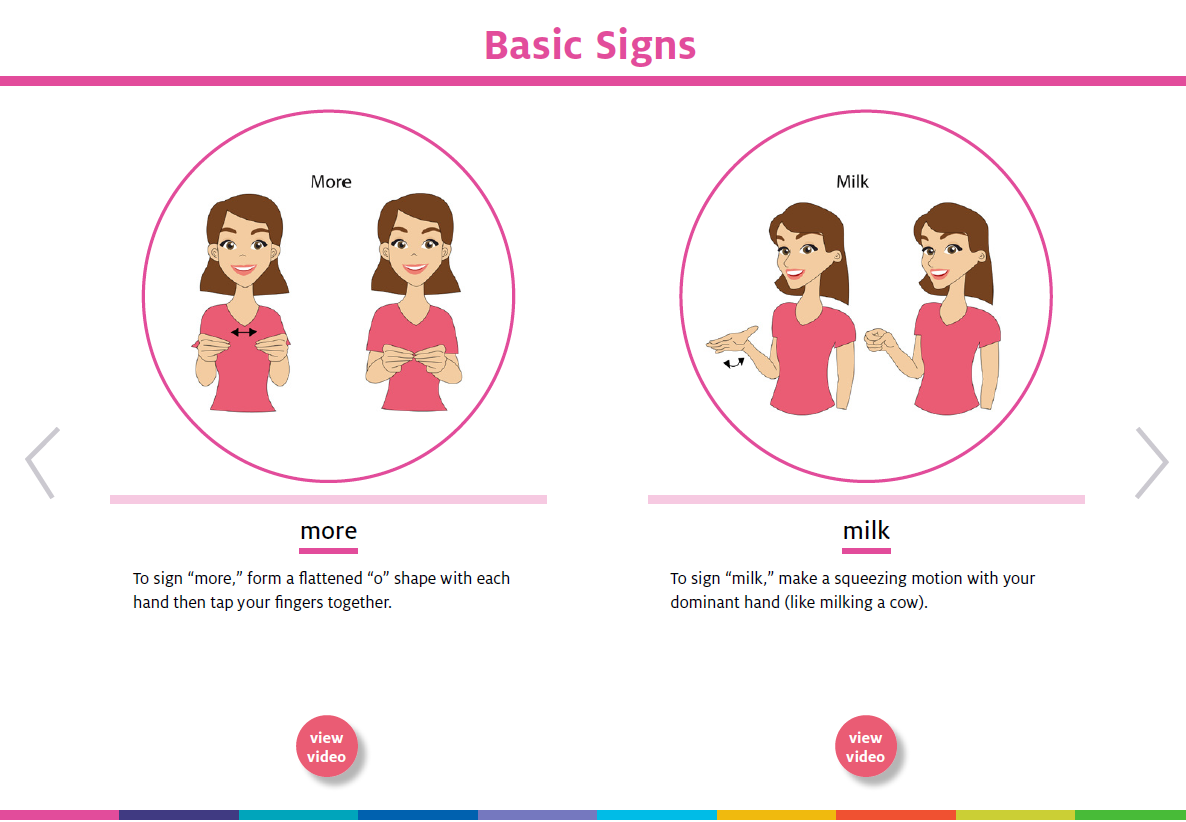
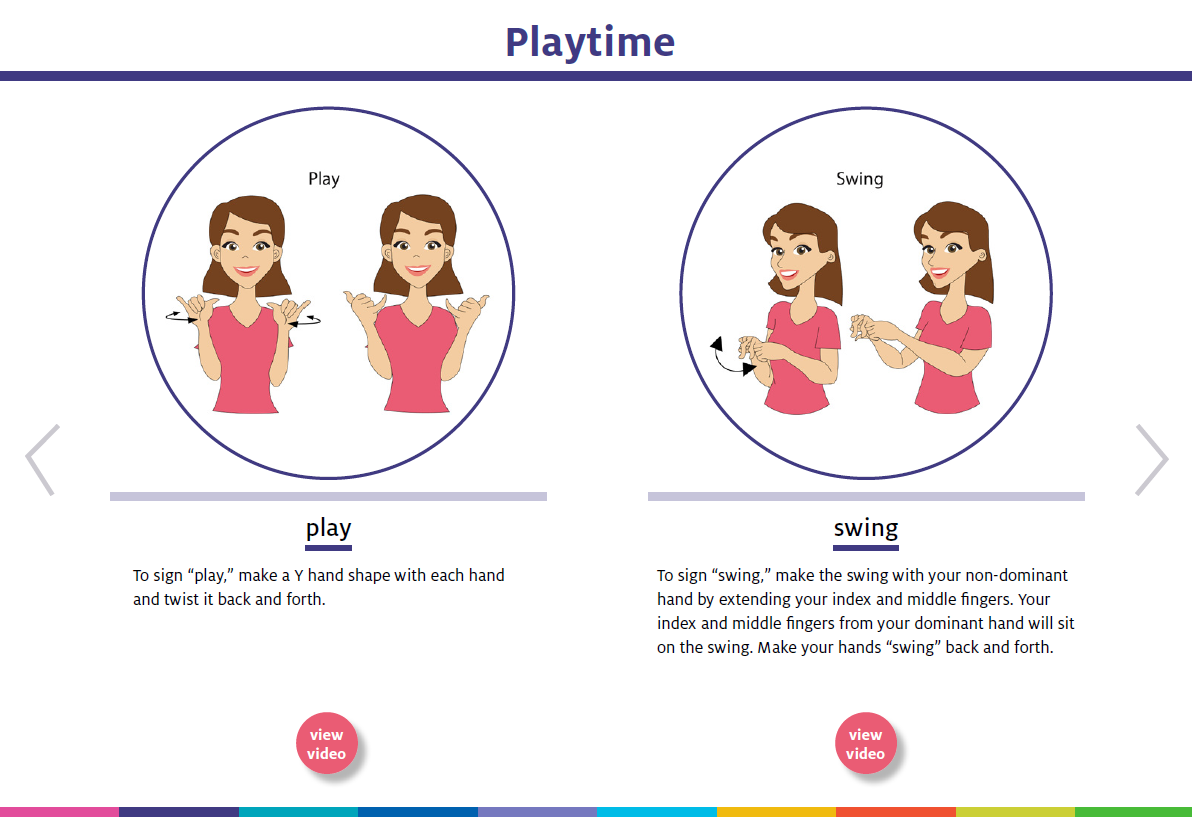
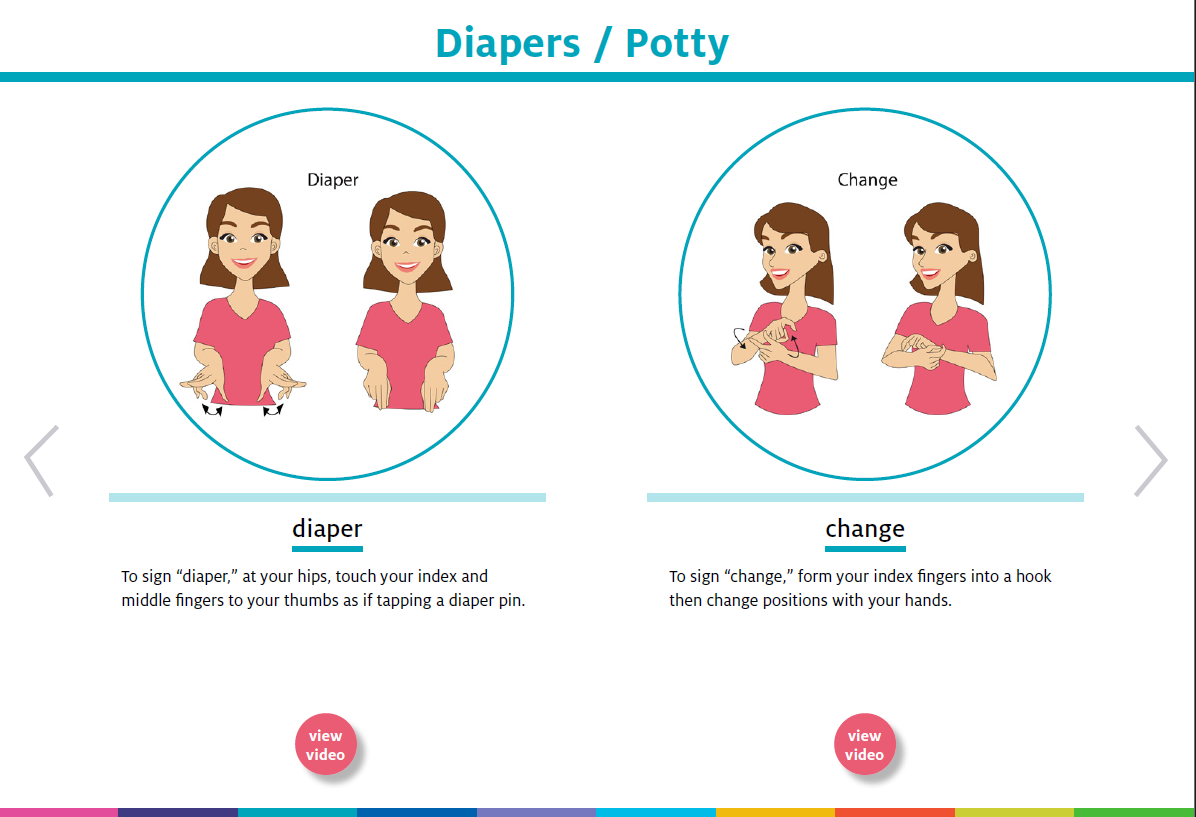
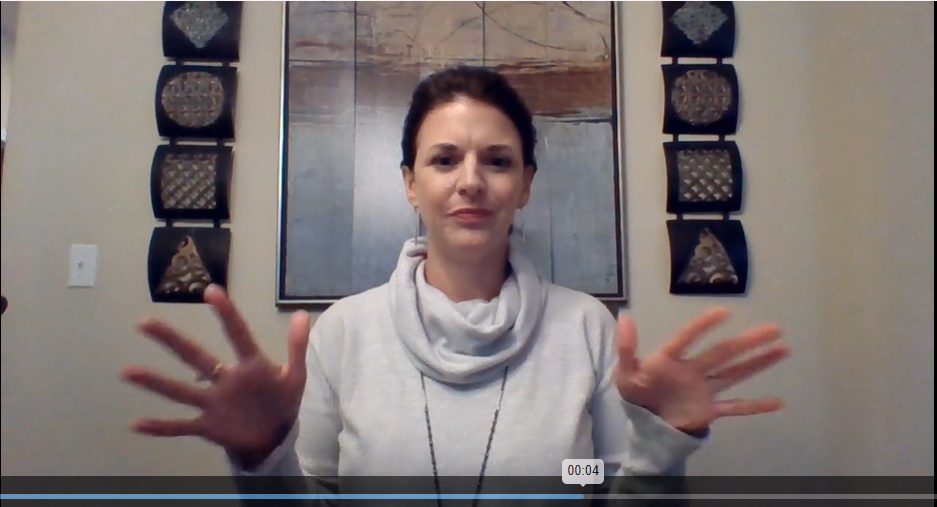
This amazing video ebook includes clear illustrations of 101 simple signs you can do with your baby as well as videos of each sign so you can visually see exactly how each sign is done in motion!
Buy Your Book Today
$25.00